In paid MCP workflows, it is tempting to treat a successful charge as authorization to execute a tool call. That is the core mistake this article addresses. A payment event—whether mediated through x402 or signaled by HTTP 402 Payment Required—proves that money moved (or is approved to move). It does not prove the caller should be allowed to perform the requested action at this moment, on this resource, under this risk posture.
This distinction matters most in enterprise agentic systems, where an AI agent can act quickly, repeatedly, and across tenants. If your control plane says “paid = allowed,” you collapse finance control into security control. The safer thesis is simple: payment proof vs authorization proof must remain separate artifacts that are re-evaluated at invocation time, even when pre-authorization exists upstream.
The four proofs you should keep separate
A robust MCP paidTool design treats payment, identity, consent, and authorization as different proofs with different lifecycles and verifiers.
| Proof type |
What it answers |
Typical evidence |
Time sensitivity |
| Payment proof |
“Was the quote/charge satisfied?” |
x402 payment proof payload, settlement/receipt reference |
Medium |
| Identity proof |
“Who is the delegator and which agent is acting?” |
Human auth token, workload/agent credential |
High |
| Consent proof |
“Did the human (or policy-bound delegate) approve this spend/action?” |
Explicit consent event, signed delegation scope, UI approval record |
High |
| Authorization proof |
“Given context now, may this call execute?” |
Runtime policy decision with reason codes and obligations |
Very high |
In practice, a tool call should proceed only when all four proofs align. A valid payment token without current authorization should still be denied. Likewise, authorization without payment satisfaction should return a payment-required path.
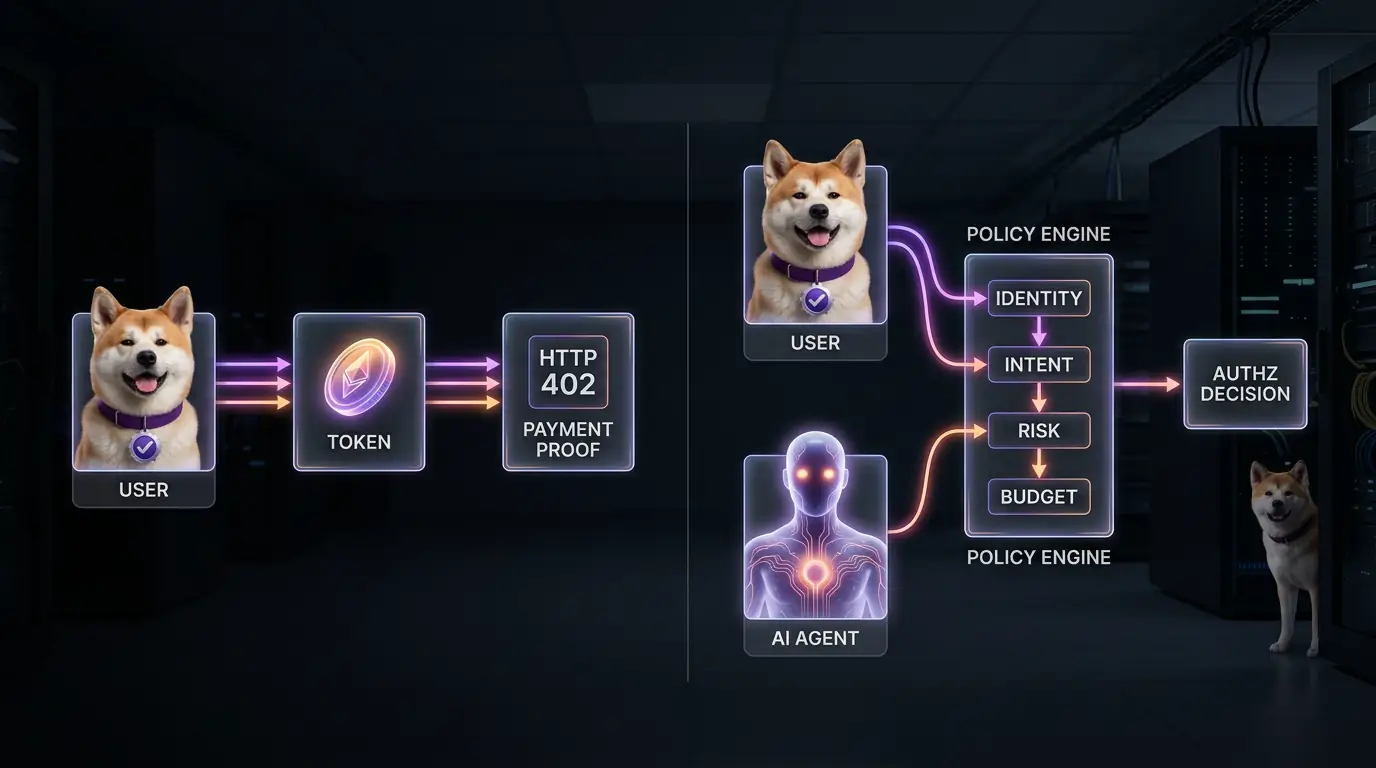
For enterprise runtime authorization, evaluate each paid invocation as a contextual decision, not a static entitlement. The decision input should include the human delegator, agent identity, stated intent/purpose, target tool, quoted price, resource scope, risk score, tenant, trust level, and remaining spend budget.
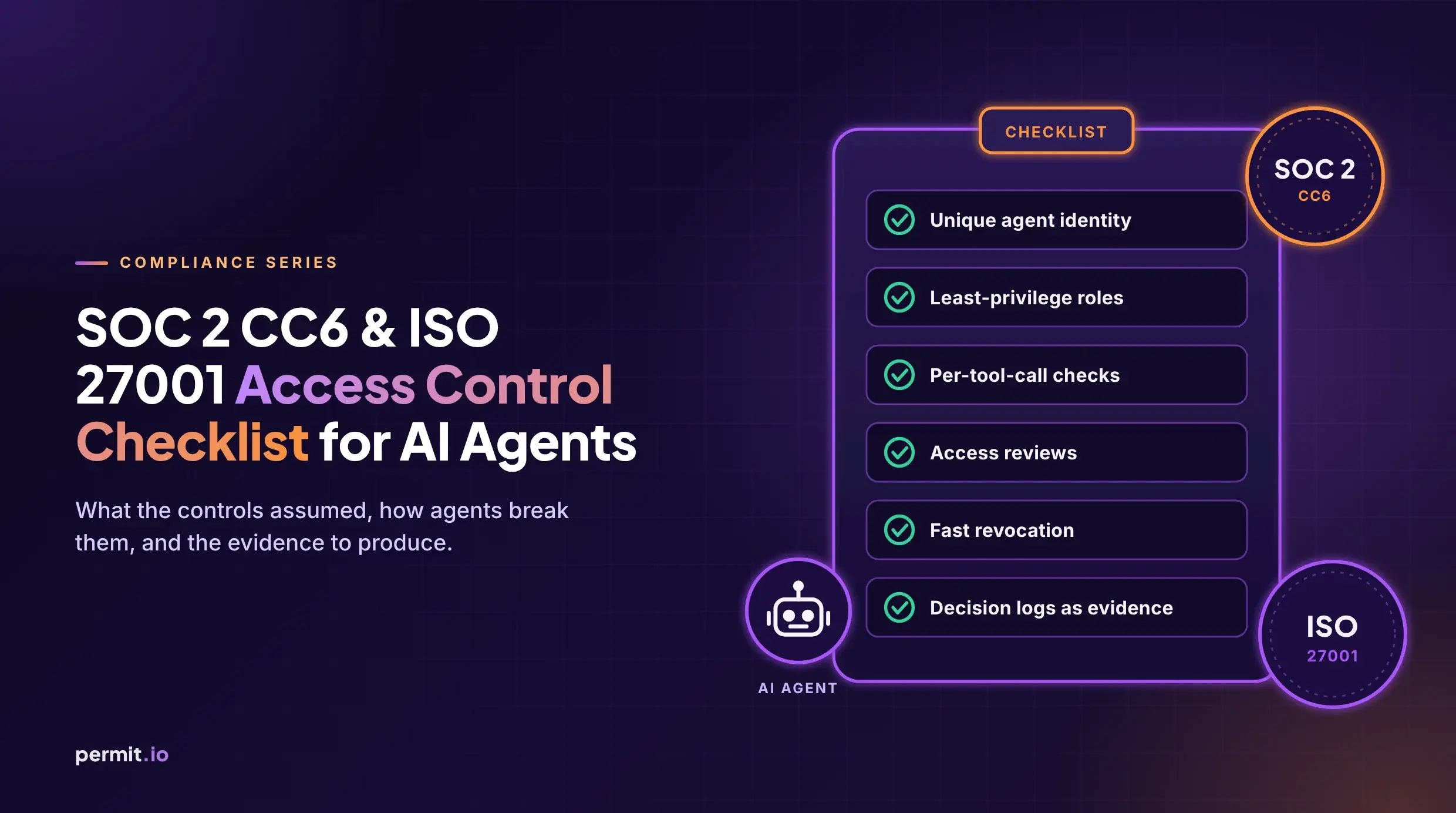
This is where spend authorization becomes distinct from payment plumbing. The policy question is not “can the system charge?” but “should this specific agent be allowed to spend this amount on this resource for this purpose, right now?” A strong model also handles partial delegation: humans can permit categories of spend, but only within defined thresholds and with revocation capability.
Should AI agents spend automatically? Use trust-tiered policy
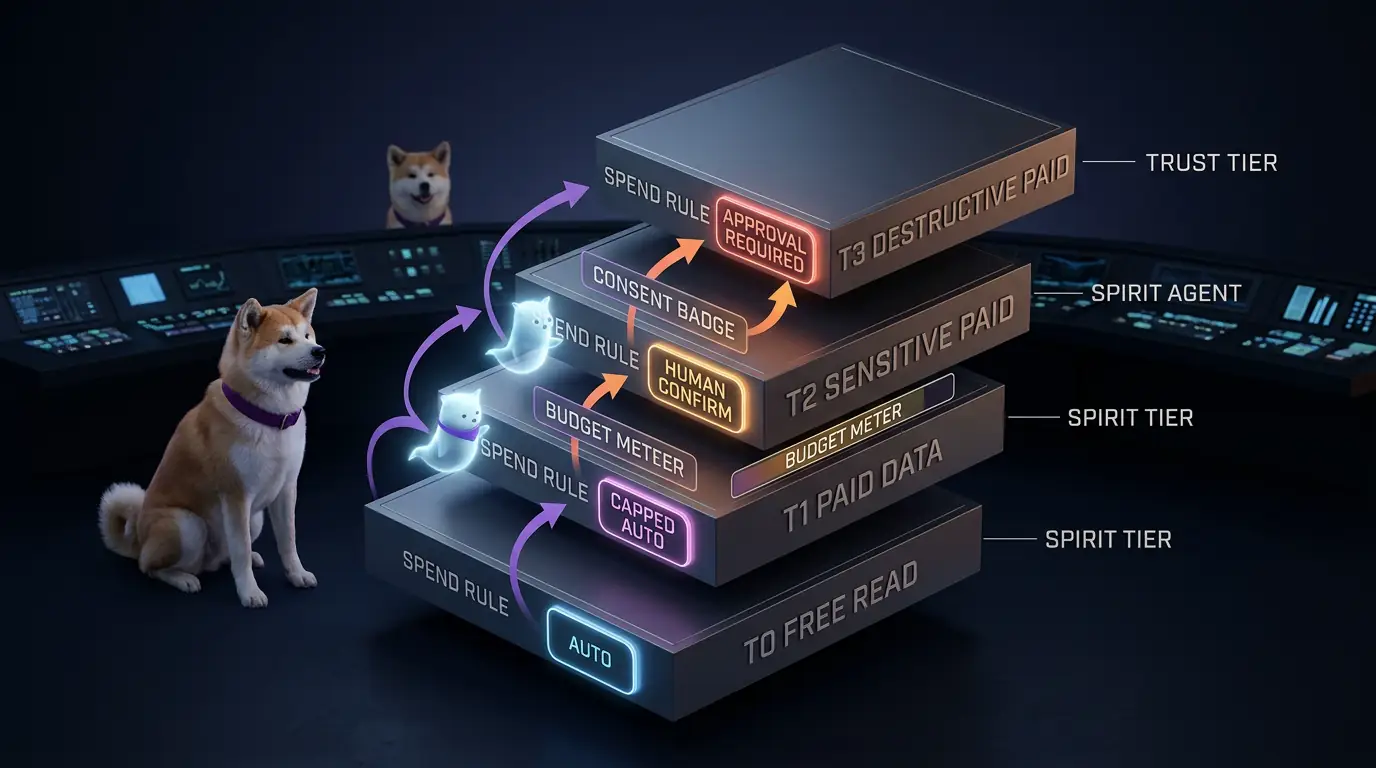
Automatic spending can be useful, but only with trust-tiered controls. Low-risk, low-cost calls may run under pre-approved policy. Higher-risk or higher-cost calls should require stepped-up AI agent consent patterns such as explicit human confirmation, multi-party approval, or tighter budget checks.
A practical approach is to bind autonomy to trust tier and blast radius. As confidence in agent behavior drops—or as resource sensitivity and price rise—autonomy should shrink. This approach gives teams a nuanced alternative to the binary choice of “fully manual” versus “fully autonomous,” while still creating a gradual path to safe agentic payments.
x402 and Cloudflare flow design in an MCP Gateway
Modern payment signaling standards are useful, but they are one layer. HTTP 402 Payment Required was historically a reserved status in HTTP and only recently became practical in systems that implement x402-style flows. The x402 pattern uses that status to request and prove payment in API flows. You can see this architecture in Cloudflare’s writeups on the Monetization Gateway, the x402 protocol overview, and Cloudflare’s guide to charging for MCP tools with x402.
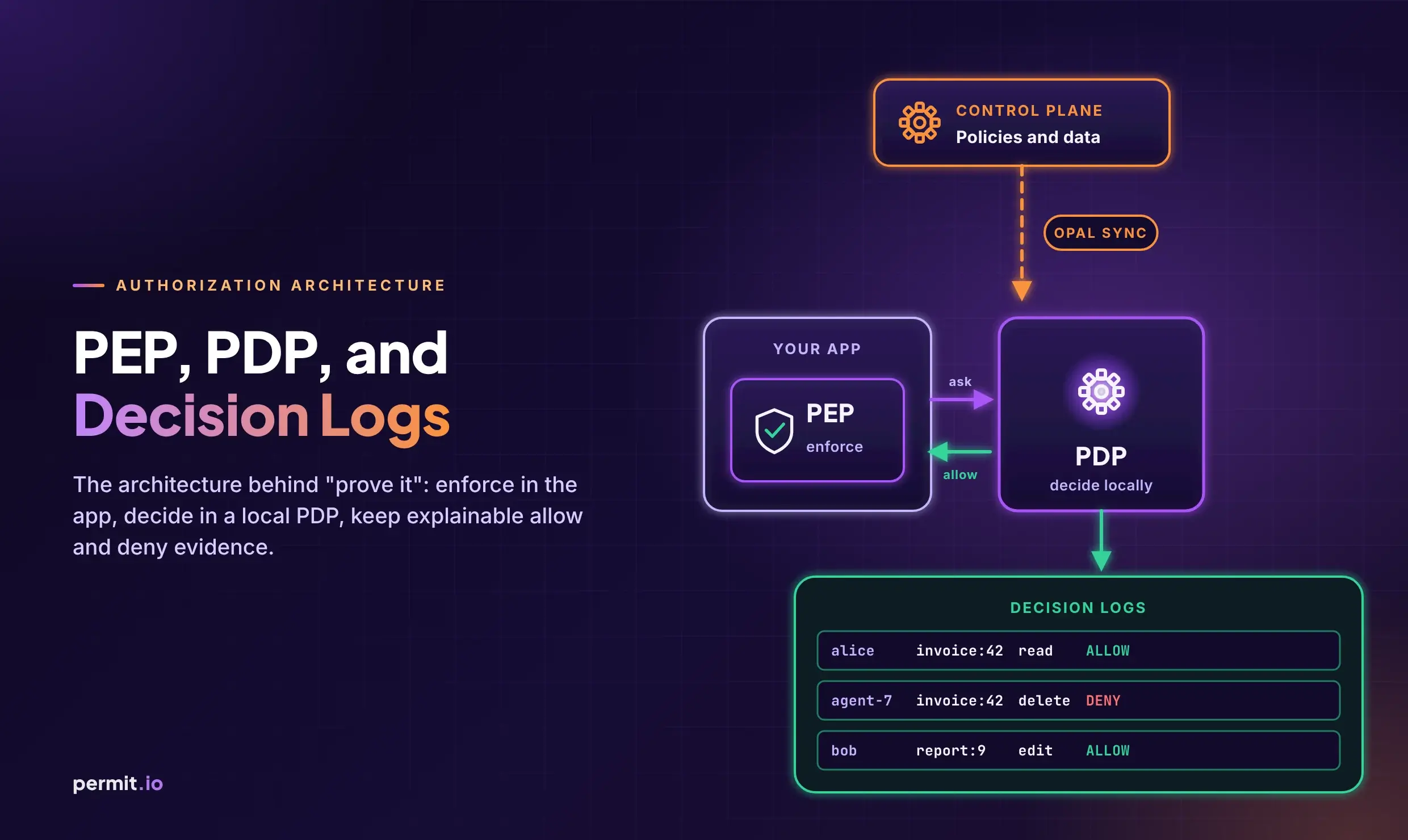
In an MCP Gateway deployment, treat payment handling and policy enforcement as coordinated but separate services. The gateway can verify payment artifacts and normalize quote/charge behavior, while an authorization engine evaluates runtime context before allowing the MCP paidTool invocation. That separation is what preserves security and governance at scale.
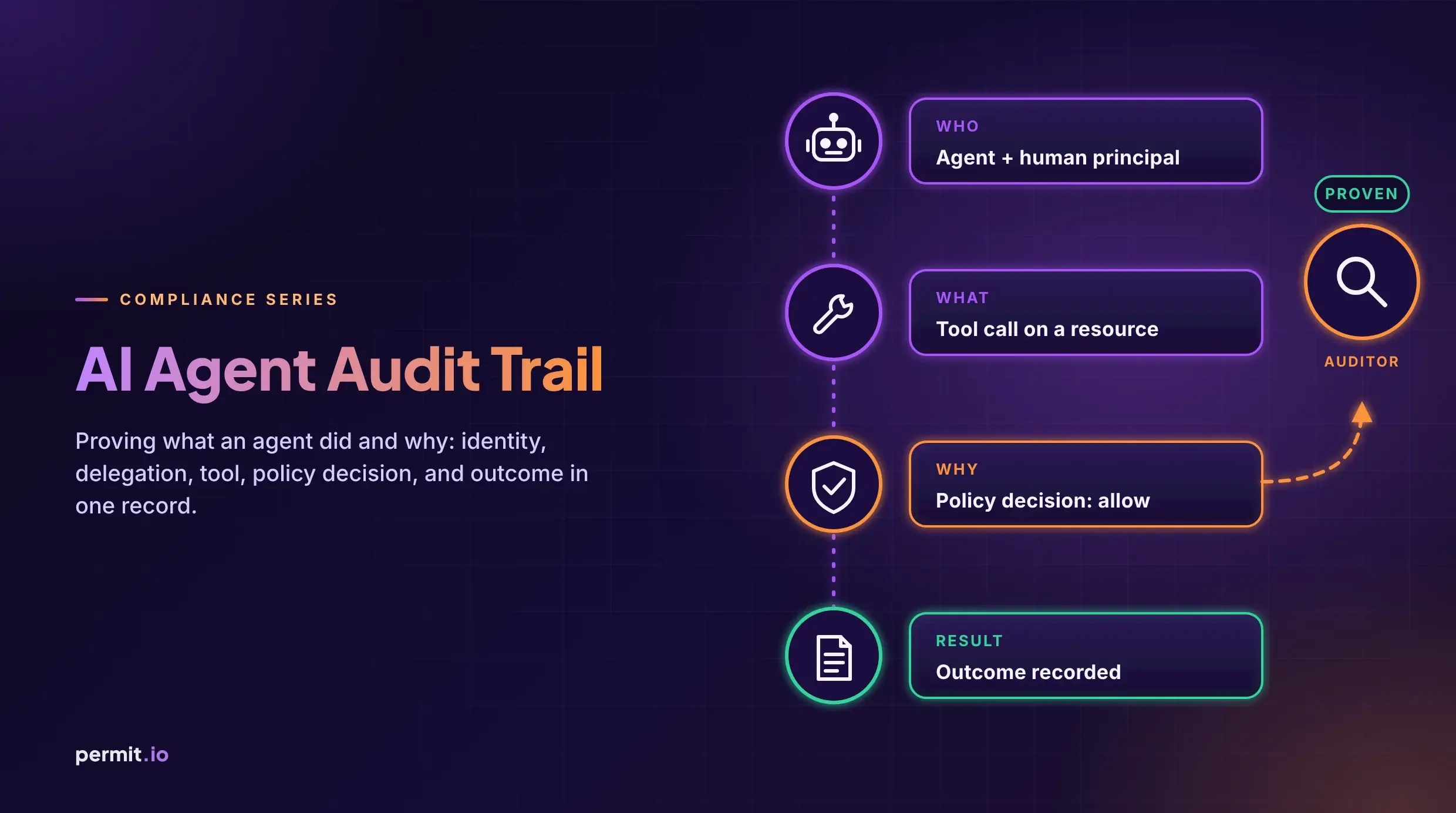
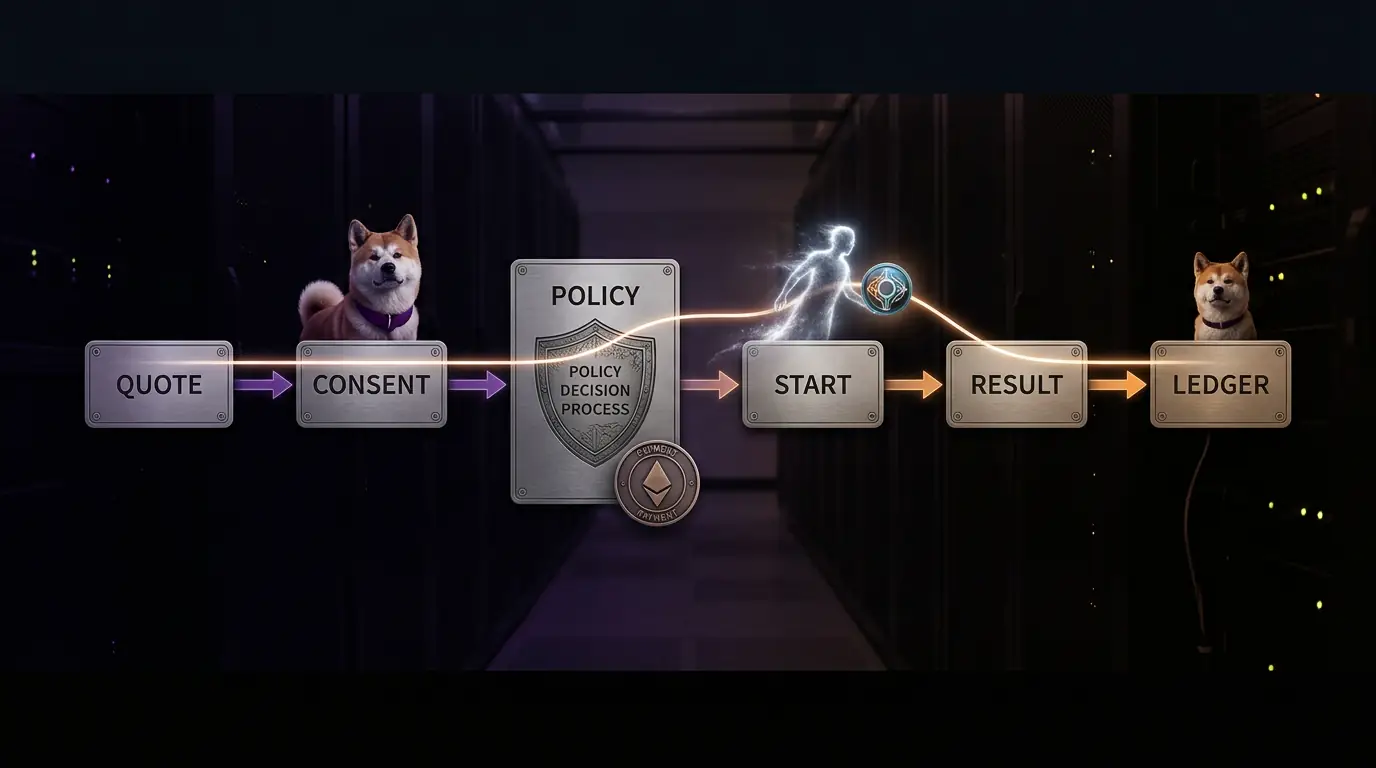
For defensible operations, you need tool-call audit logs that capture the full lifecycle, not just success/failure. At minimum, store linked records for: payment request/quote, consent event, policy decision, tool invocation start, invocation result, and spend-ledger impact. Each record should carry correlation IDs and evidence references so investigators can reconstruct exactly why a call was allowed, denied, retried, or refunded.
This audit chain is critical for finance reconciliation, incident response, and regulator/customer inquiries. It also helps you tune policy over time: you can identify where denials are too strict, where approvals are too broad, and where delegation models drift from intended governance.
Where Permit.io fits (after the architecture is clear)
Once the separation is clear, Permit.io can sit as the runtime authorization control plane/enforcement layer for these decisions, with policy evaluated per call and enforced at the MCP Gateway and downstream services.
In practice, that means:
- expressing spend authorization policy from the input model above,
- evaluating decisions at runtime (not static API key era assumptions),
- attaching obligations (step-up consent, human confirmation, max price),
- and producing decision-linked audit artifacts that connect payment, consent, and execution.
That is the operational difference between “we enabled payments” and “we control paid agent actions.”
Frequently asked questions
How do x402 and HTTP 402 Payment Required relate to authorization?
They are payment-layer mechanisms. They help request payment and prove payment status, but they are not sufficient authorization decisions. You still need runtime policy to decide whether a paid call is allowed in context.
What is the practical meaning of “payment proof vs authorization proof”?
Payment proof confirms commercial completion; authorization proof confirms policy-permitted execution. Both are required for safe paid-tool operation, especially in multi-tenant enterprise environments.
Can we let agents pay automatically for small actions?
Yes, if you enforce trust-tiered limits. Auto-spend should be bounded by per-call caps, rolling budgets, tenant scope, and risk classification, with clear escalation rules for higher-risk calls.
What should count as valid AI agent consent?
Consent should be explicit, attributable, and scoped. Good consent records identify who delegated, to which agent identity, for what purpose, under what limits, and for what duration.
Where should spend budgets be evaluated?
At runtime, before invocation, using current state. Precomputed entitlements alone are not enough because budgets, risk, and tenant posture can change between quote and execution.
What must be in tool-call audit logs for paid calls?
You need end-to-end evidence: quote/payment request, consent event, policy decision, invocation start/result, ledger impact, plus correlation IDs and references to payment and policy artifacts.
Does an MCP Gateway remove the need for a separate authorization layer?
No. A gateway can centralize payment verification and protocol handling, but runtime authorization should remain an explicit policy decision point with independent evidence and controls.