

Or Weis
Announcing Permit MCP Gateway
Announcing Permit MCP Gateway, a new trust and enforcement layer for MCP that brings identity, consent, fine-grained authorization, auditability, and runtime control to AI agent actions.
Read more

Featured Stories
Or Weis
Announcing Permit MCP Gateway, a new trust and enforcement layer for MCP that brings identity, consent, fine-grained authorization, auditability, and runtime control to AI agent actions.
Gabriel L. Manor
The new Permit.io CLI brings developer-first workflows to access control. Define, test, deploy, and enforce fine-grained authorization using AI, CI/CD, GitOps, and OpenAPI — all from your terminal

Or Weis
Treating AI agents like service accounts is a useful starting point — but it fails at runtime. Here's why scoped tokens are necessary but not sufficient, and how runtime authorization fills the gap.

Or Weis
The Claude Code MCP OAuth token theft chain is an authorization failure, not just a credential leak. OAuth got the agent connected, but it never constrained which tool calls remained valid after the routing layer was tampered with — and that is the gap runtime policy enforcement must close.

Or Weis
The IETF SD Agent draft and Microsoft Entra Agent ID are turning agent identity into real infrastructure. But a verified Agent Card or sponsored enterprise identity still doesn't answer whether an agent may call a specific MCP tool right now — that requires runtime authorization.

Or Weis
Microsoft Entra Agent ID and SD-JWT agent identity solve registration, governance, and authentication — but they don't decide whether a specific MCP tool call is permissible right now. This article explains the gap and the runtime authorization architecture needed to close it.

Gabriel L. Manor
In April 2026, the NSA published 'Careful Adoption of Agentic AI Services' — the first intelligence-community advisory specifically targeting AI agent authorization failures. Here is what it actually demands and why most engineering teams are not close to meeting it.
Eli Moshkovich
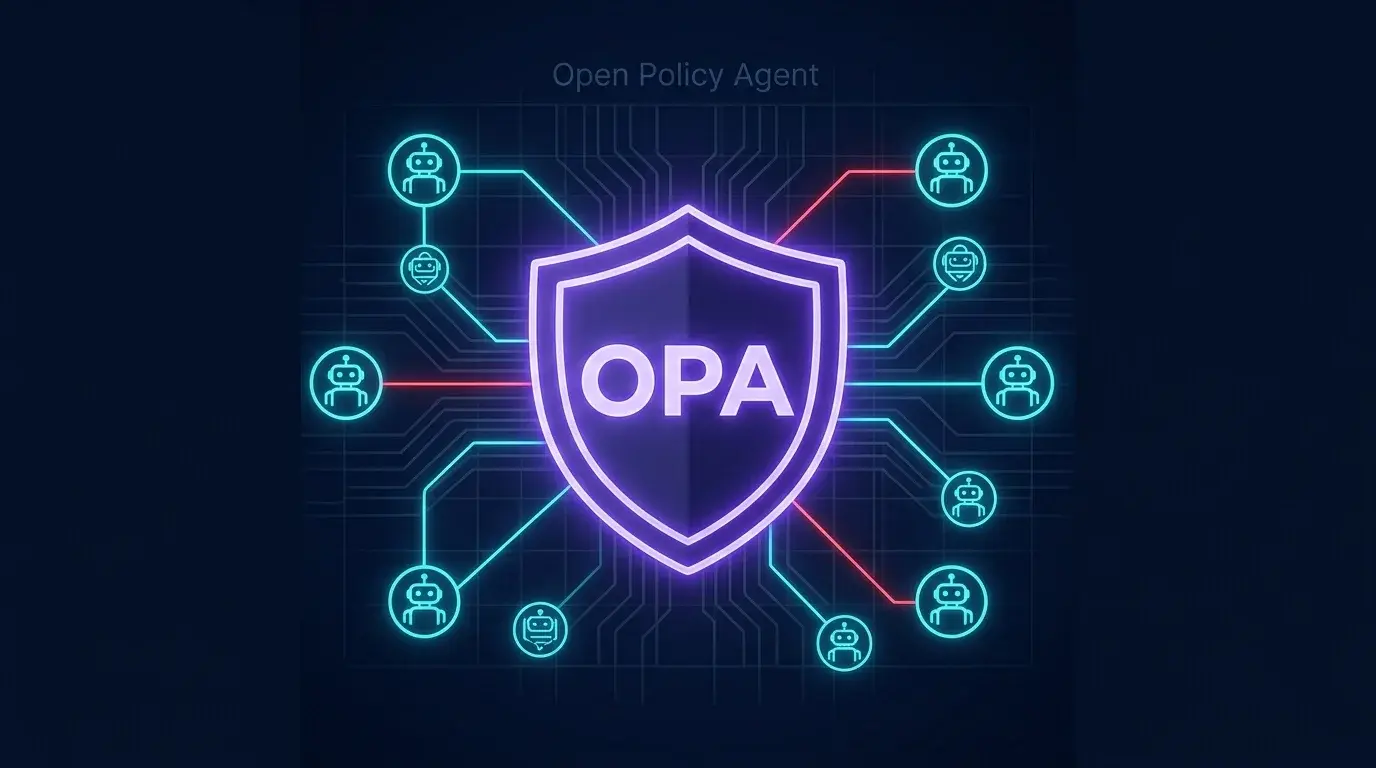
If you already run OPA, AI agents don't require a new policy engine — they require a richer input schema, ephemeral identity, and enforcement at every layer. Learn how to evolve your OPA setup for delegated, multi-hop agentic authorization with Zero Standing Permissions, production-grade Rego, and OPAL-backed real-time enforcement.
Gabriel L. Manor
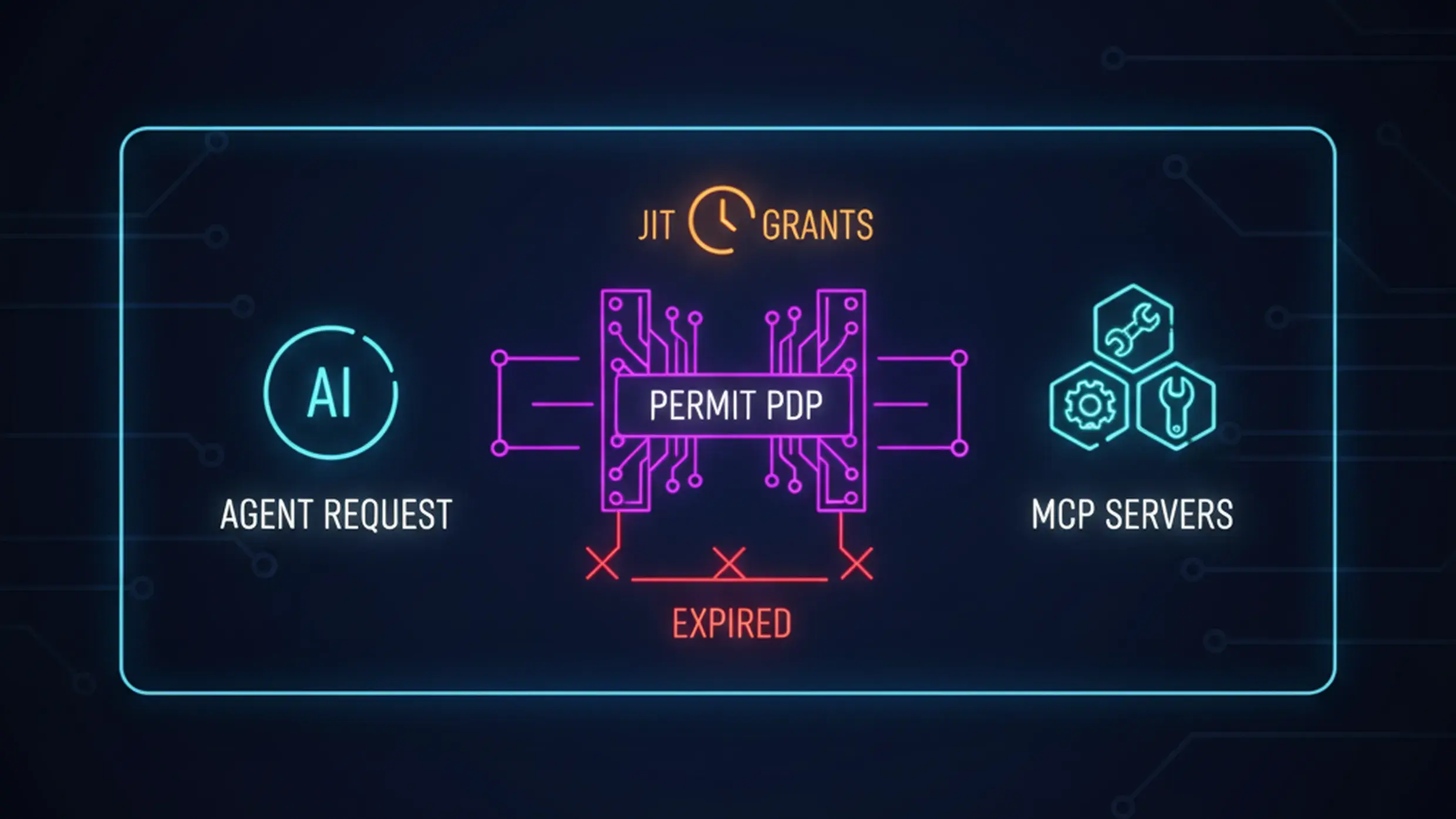
Zero Standing Privileges (ZSP) means no identity holds usable access between tasks. This article explains how ZSP differs from least privilege, how to implement it with ephemeral credentials and runtime policy enforcement, and why AI agents running on MCP make standing access a new category of operational risk.
Ziv Cohen
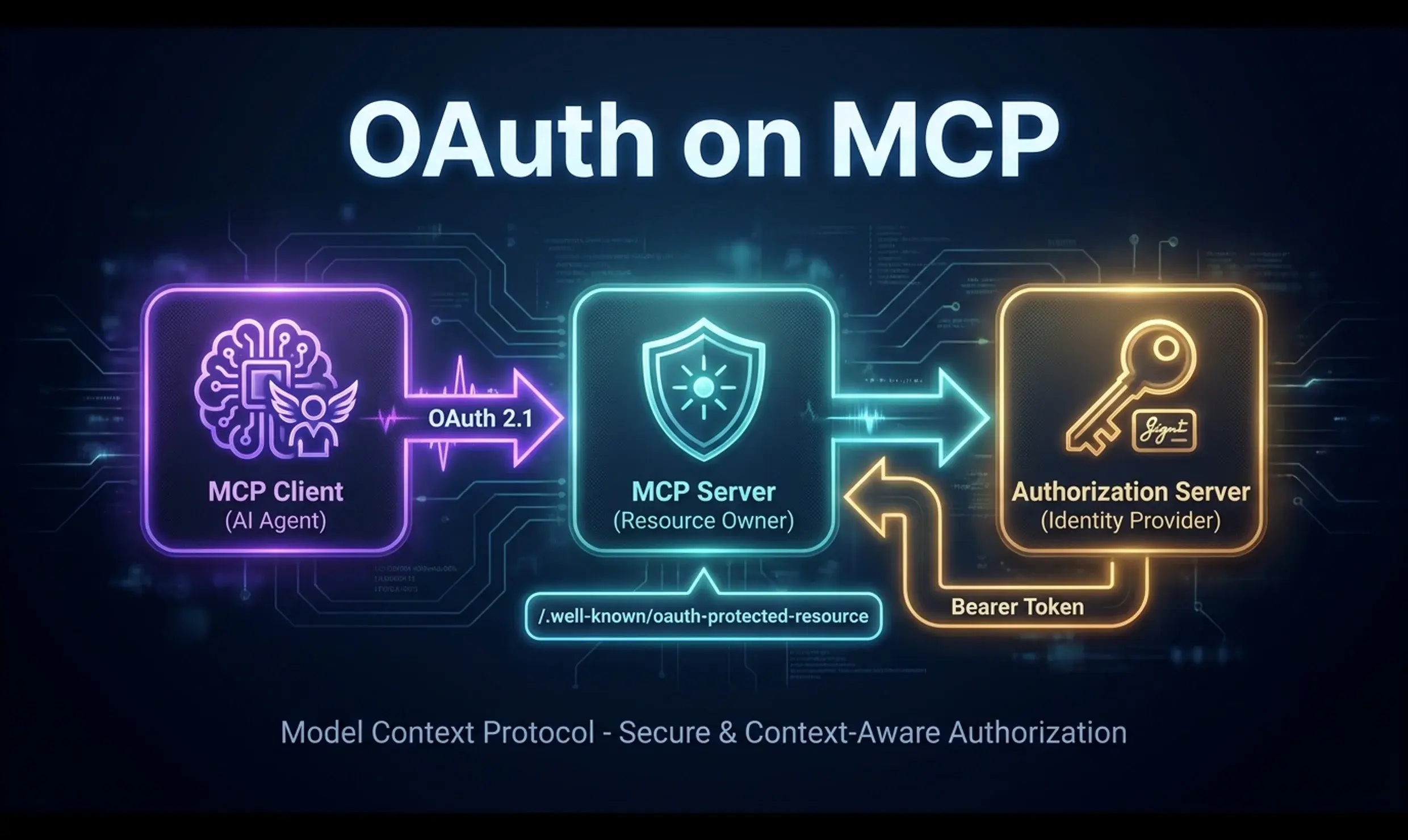
OAuth 2.1 is the right foundation for MCP security, but most implementations stop one layer too early. This guide covers every spec-required piece: protected resource metadata, authorization server discovery, PKCE, dynamic client registration, resource indicators, and where fine-grained authorization picks up where OAuth ends.
Or Weis
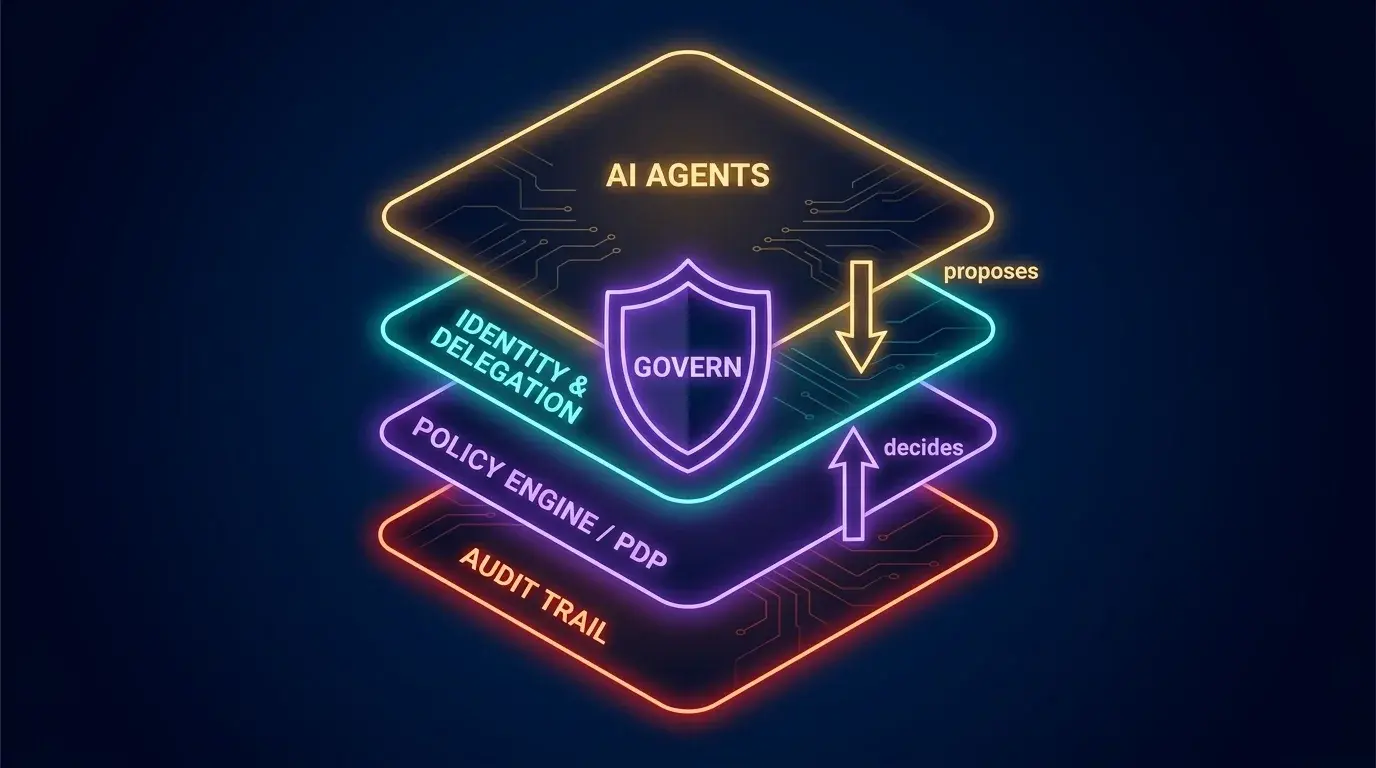
AI agents acting on behalf of users need more than authentication — they need governance. This article covers the Permit.io agentic identity model, policy-as-code lifecycle, MCP Gateway enforcement, zero standing credentials, Guardian Agents, and what an audit trail must contain to be meaningful.
Gabriel L. Manor
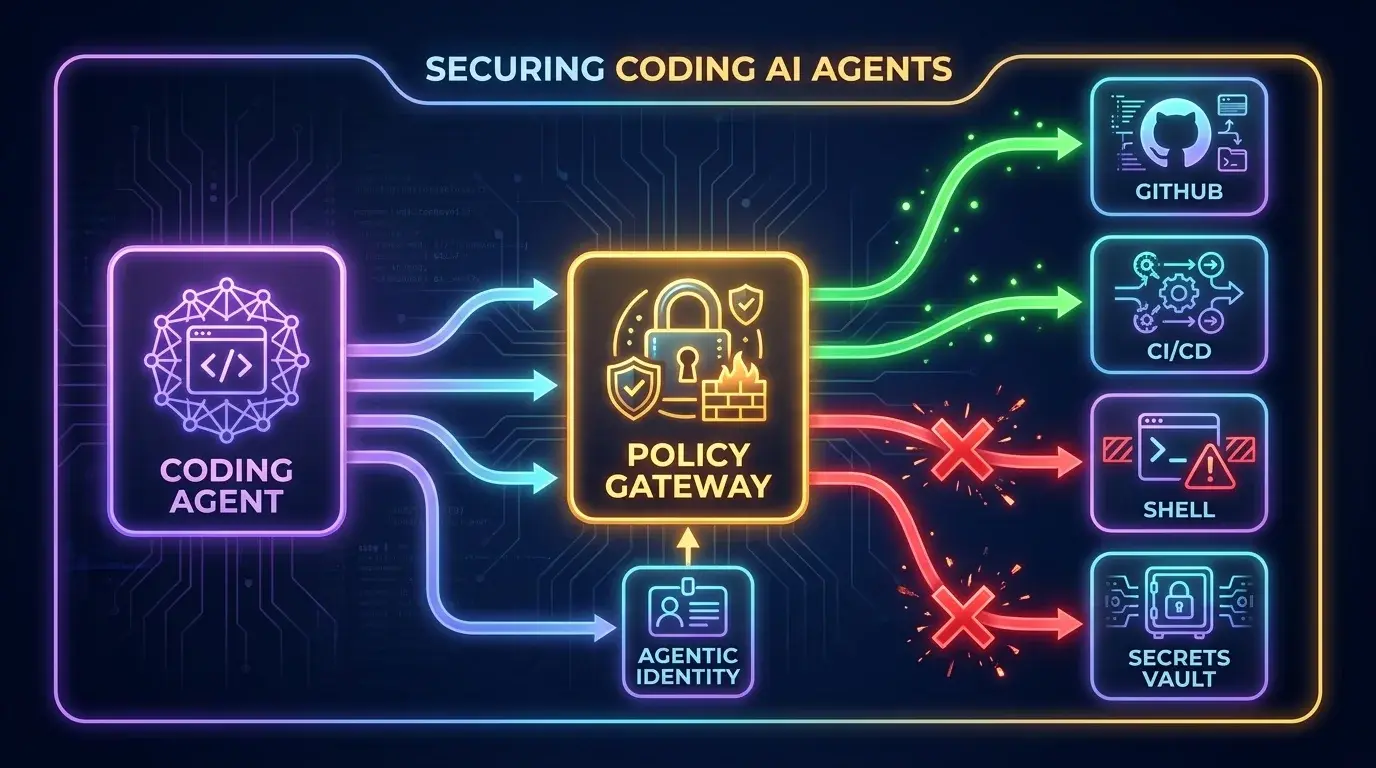
Coding agents execute code, run commands, and call APIs — not just generate text. This guide covers the real security risks, why authorization must happen at the tool-call level, and how Permit.io and the Permit MCP Gateway enforce least-privilege access for agentic workflows.
Or Weis
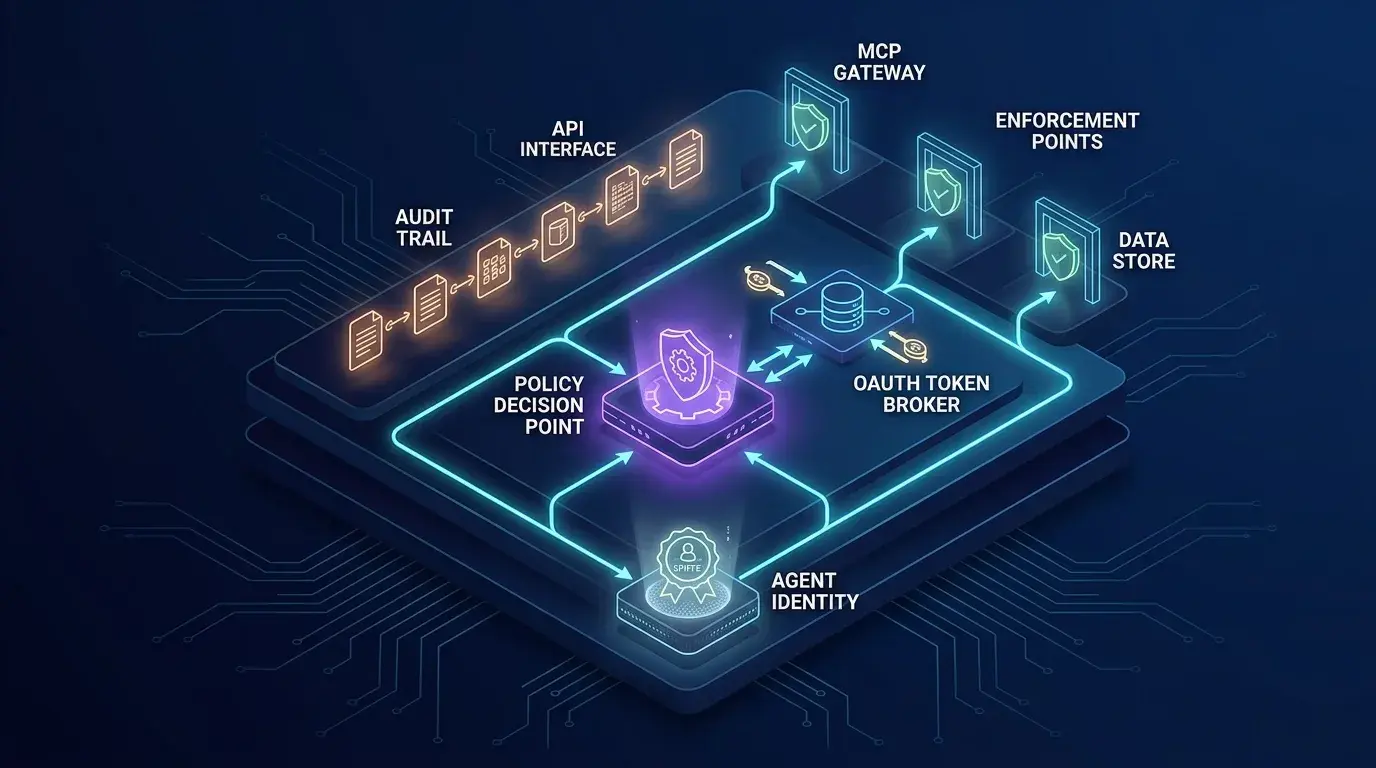
AI agents acting across tools, APIs, and multi-agent pipelines raise hard questions about identity, authentication, and authorization. This article covers agentic identity (delegating human + workflow context + intent), agent interrogation, SPIFFE, OAuth token exchange, least privilege at runtime, and what audit actually means for agentic systems.
Or Weis
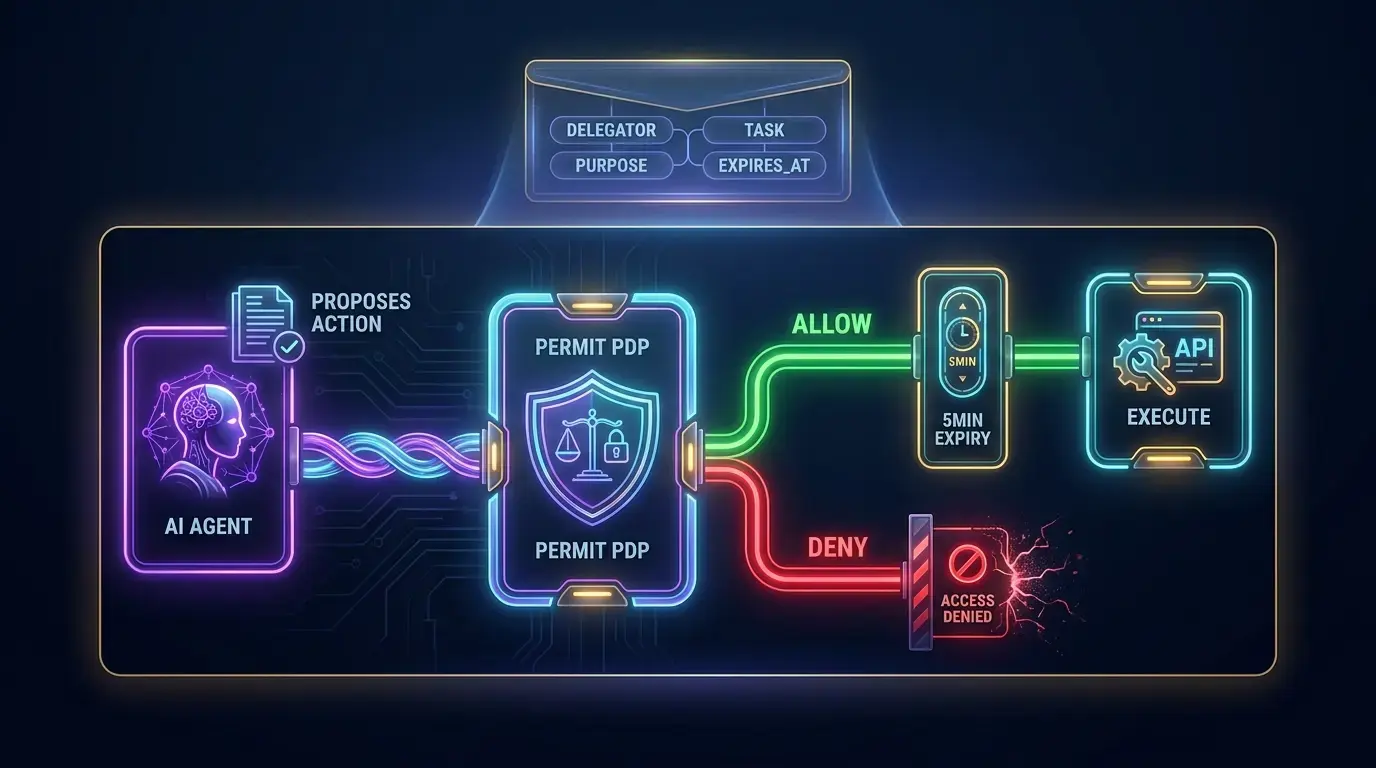
AI agents break the traditional least-privilege model. This article explains why, defines agentic identity (delegating human + workflow context + declared intent), and shows how Permit.io enforces zero standing privileges through gateway-vaulted credentials, the PDP, MCP Gateway, and downscoped delegation chains.