

Or Weis
Announcing Permit MCP Gateway
Announcing Permit MCP Gateway, a new trust and enforcement layer for MCP that brings identity, consent, fine-grained authorization, auditability, and runtime control to AI agent actions.
Read more

Featured Stories
Or Weis
Announcing Permit MCP Gateway, a new trust and enforcement layer for MCP that brings identity, consent, fine-grained authorization, auditability, and runtime control to AI agent actions.
Gabriel L. Manor
The new Permit.io CLI brings developer-first workflows to access control. Define, test, deploy, and enforce fine-grained authorization using AI, CI/CD, GitOps, and OpenAPI — all from your terminal
Gabriel L. Manor
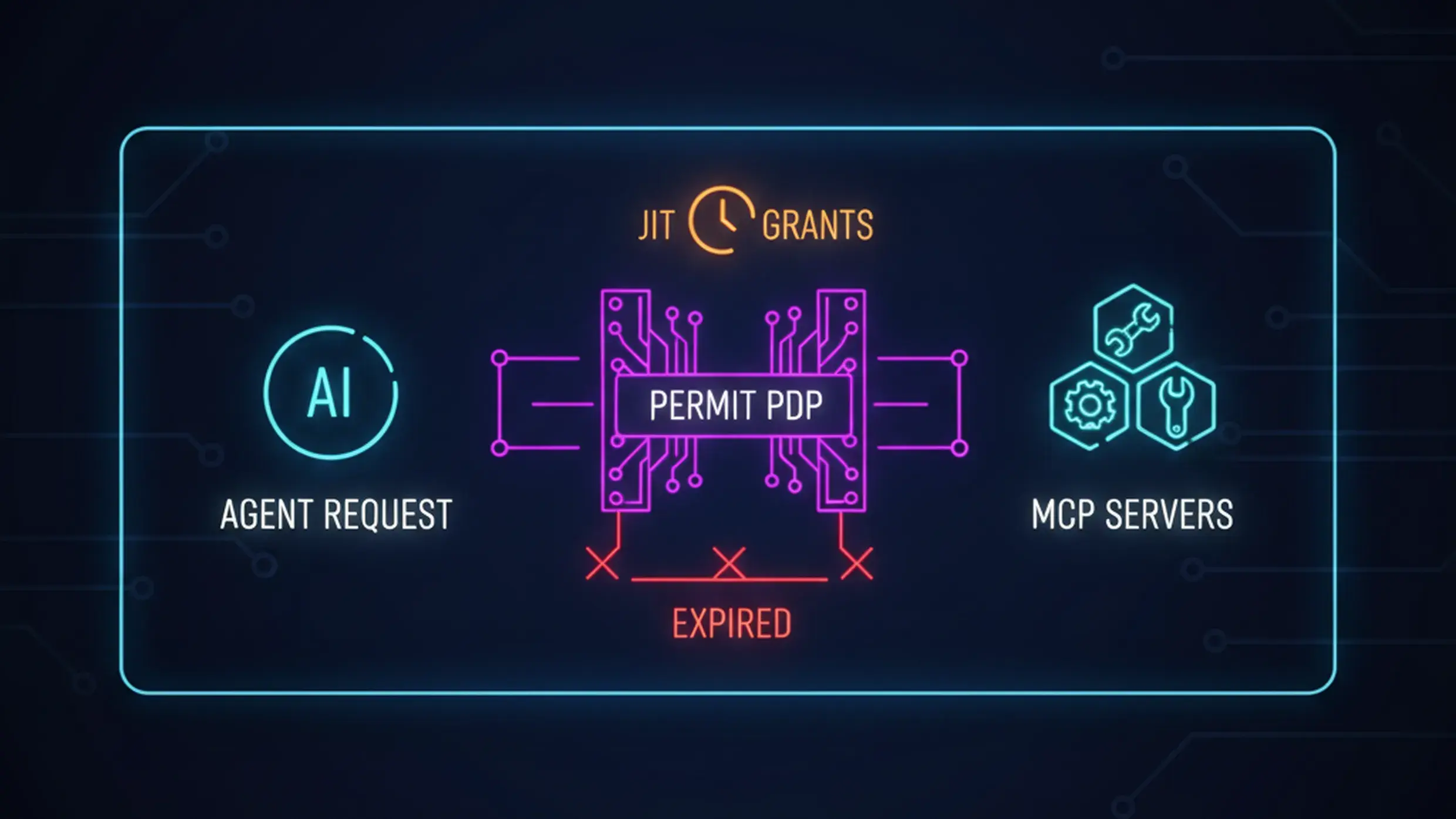
Zero standing privileges (ZSP): no identity holds access between tasks. How it differs from least privilege, how to enforce it, and why AI agents need it.
Ziv Cohen
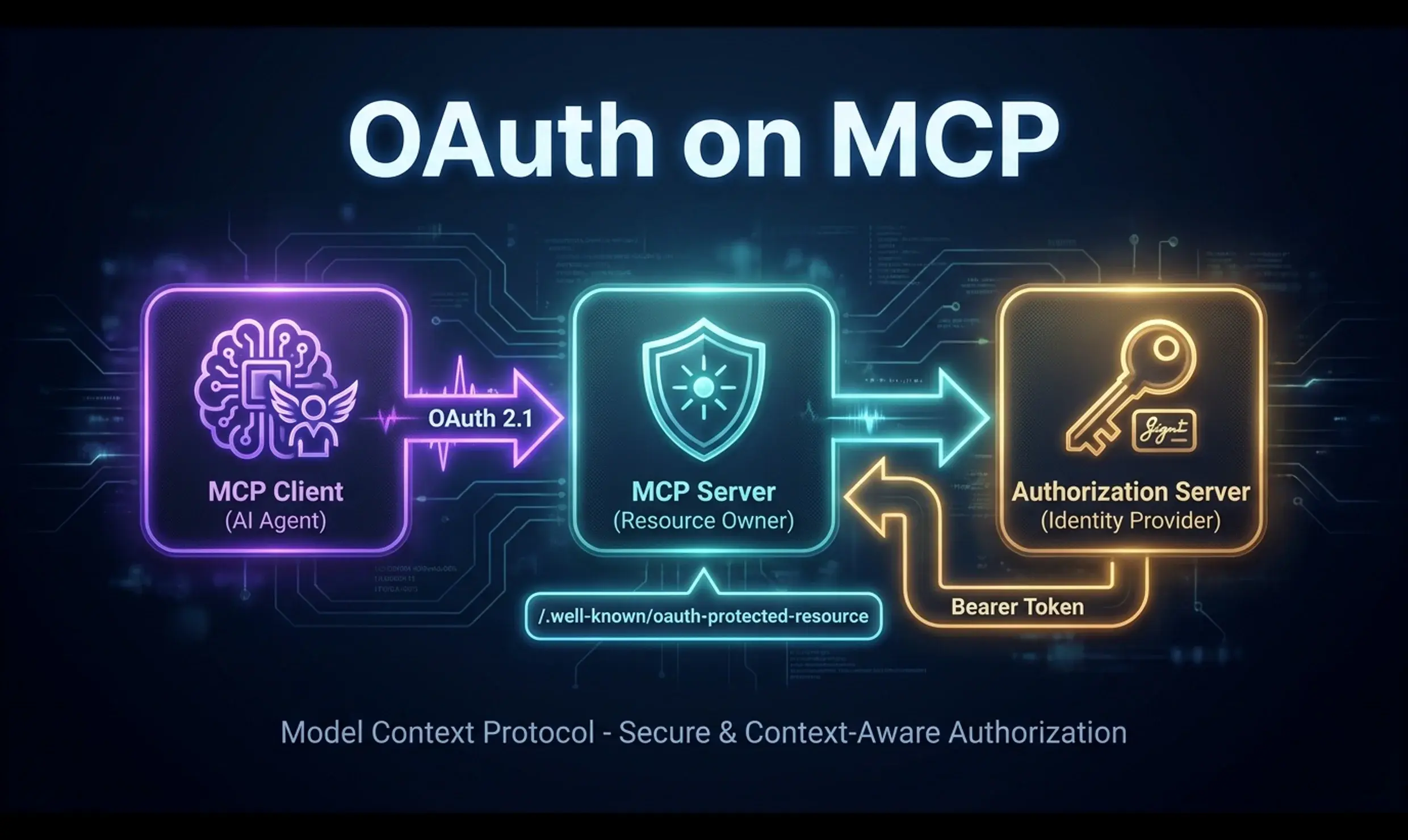
MCP OAuth 2.1 requires protected resource metadata, authorization server discovery, PKCE, and resource indicators. This guide walks through each spec requirement and shows where fine-grained authorization picks up after the OAuth flow ends.
Or Weis
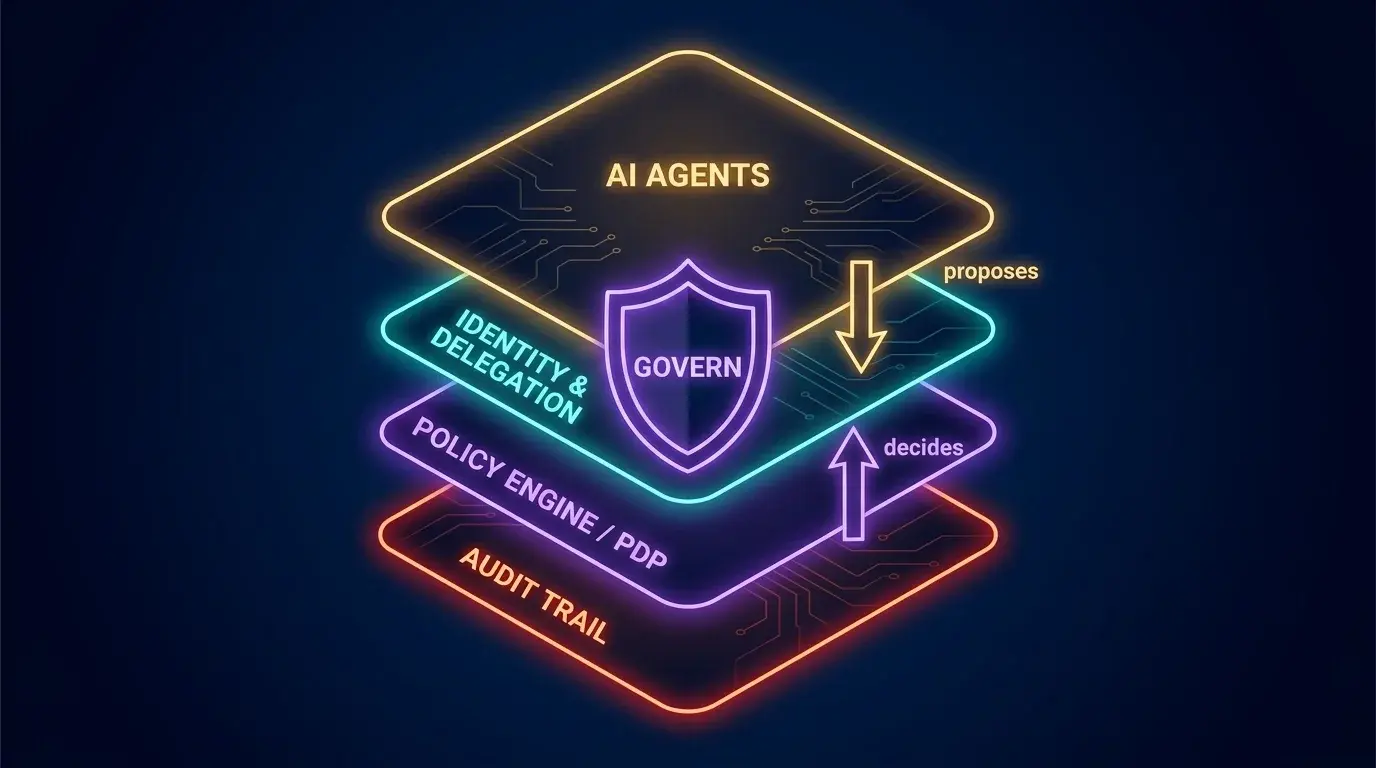
AI agents acting on behalf of users need more than authentication — they need governance. This article covers the Permit.io agentic identity model, policy-as-code lifecycle, MCP Gateway enforcement, zero standing credentials, Guardian Agents, and what an audit trail must contain to be meaningful.
Gabriel L. Manor
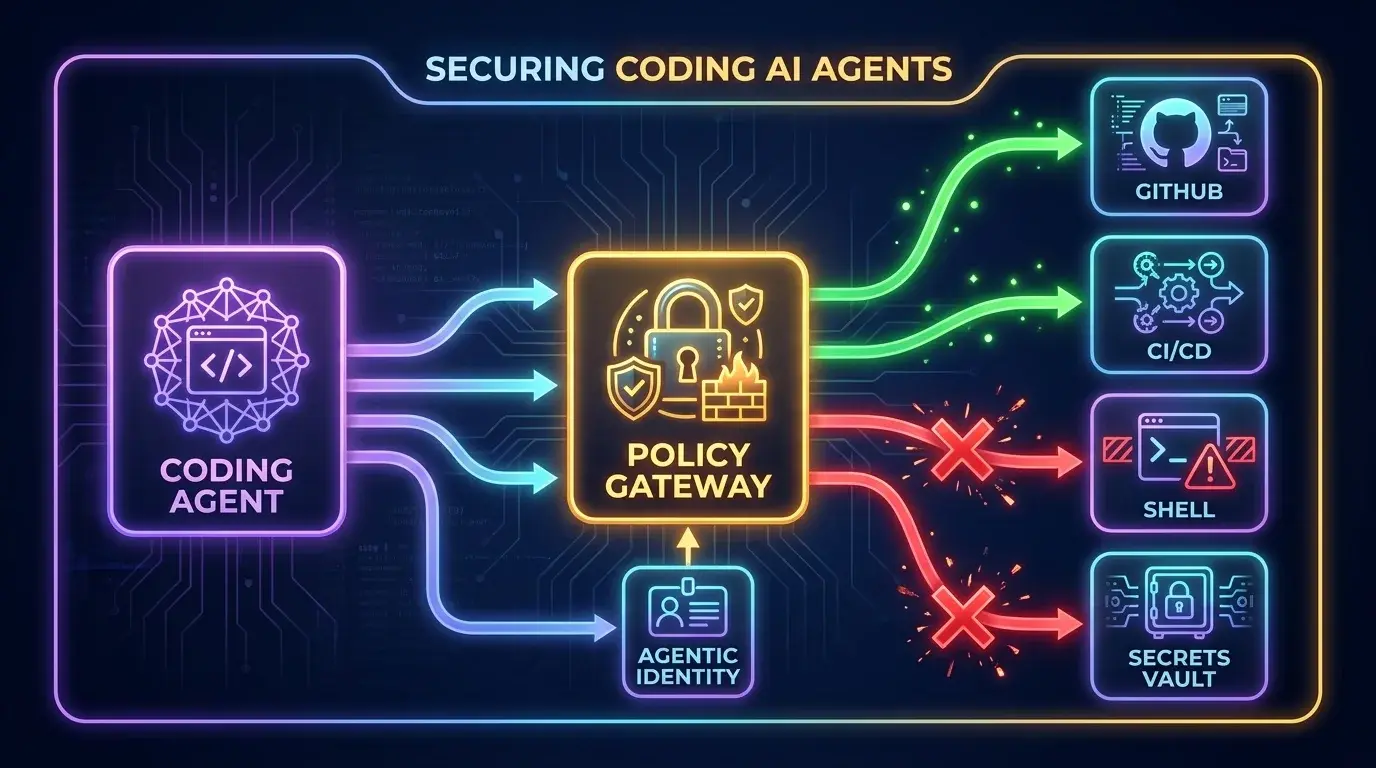
Coding agents execute code, run commands, and call APIs — not just generate text. This guide covers the real security risks, why authorization must happen at the tool-call level, and how Permit.io and the Permit MCP Gateway enforce least-privilege access for agentic workflows.
Or Weis
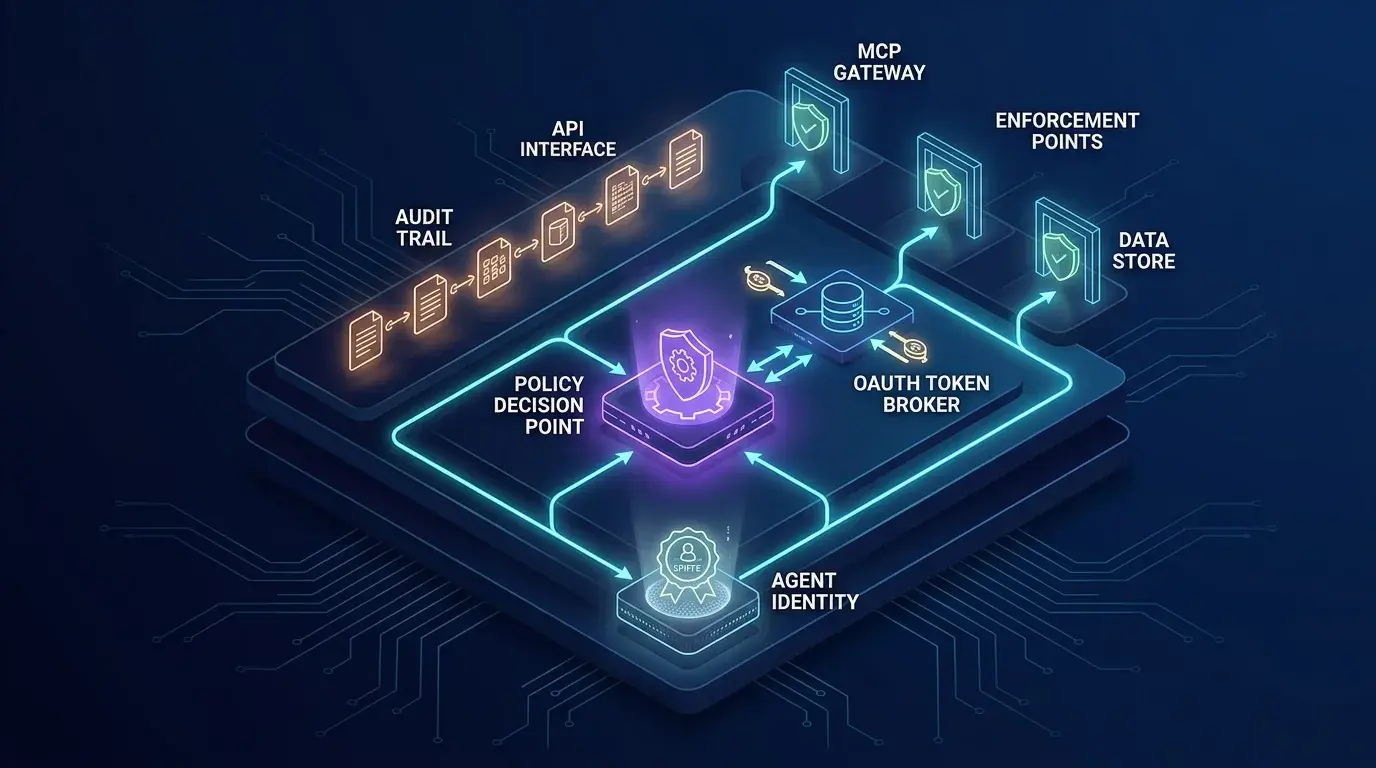
AI agents acting across tools, APIs, and multi-agent pipelines raise hard questions about identity, authentication, and authorization. This article covers agentic identity (delegating human + workflow context + intent), agent interrogation, SPIFFE, OAuth token exchange, least privilege at runtime, and what audit actually means for agentic systems.
Or Weis
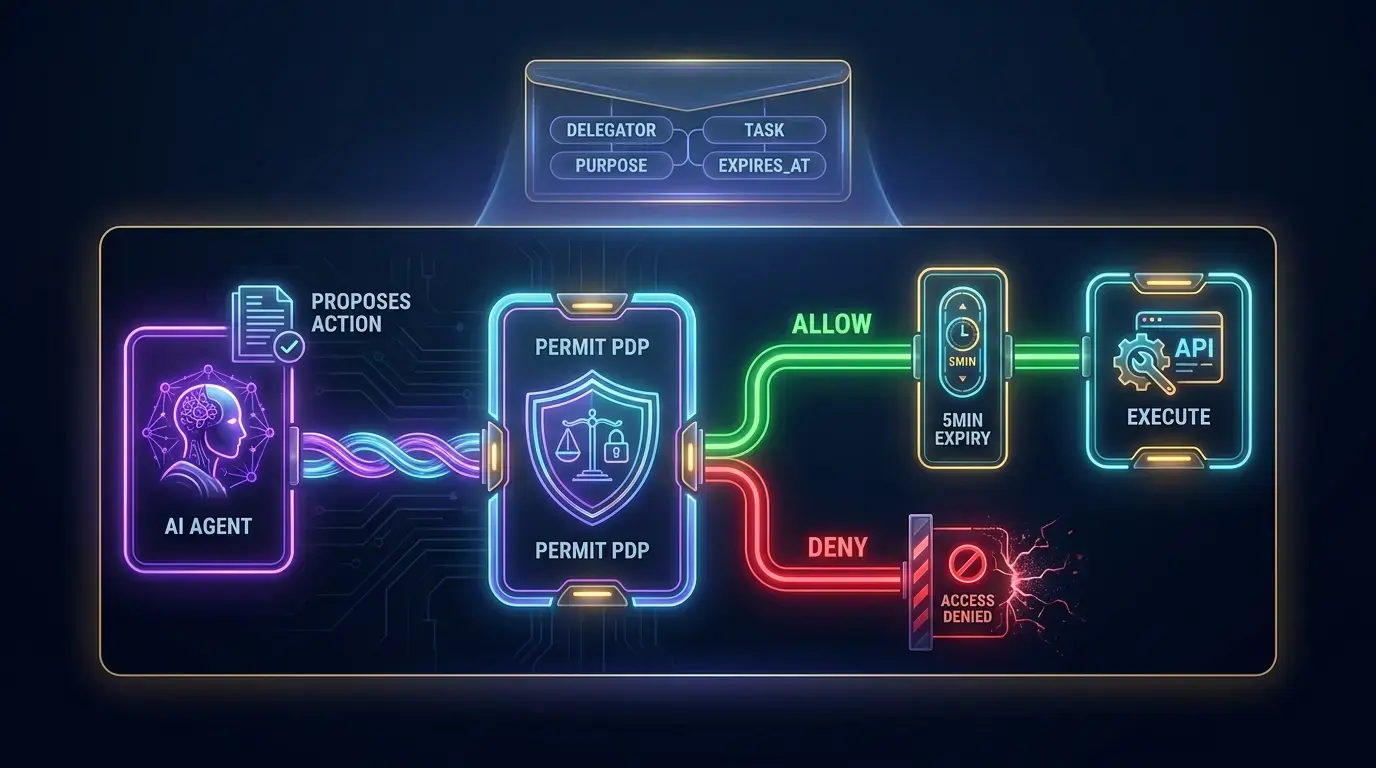
AI agents break the traditional least-privilege model. This article explains why, defines agentic identity (delegating human + workflow context + declared intent), and shows how Permit.io enforces zero standing privileges through gateway-vaulted credentials, the PDP, MCP Gateway, and downscoped delegation chains.

Or Weis
RBAC is useful for coarse AI agent guardrails, but ReBAC is needed for delegated, tenant-aware, resource-level authorization. Learn when to use RBAC, ReBAC, and both for secure agentic systems.

Or Weis
MCP auth is necessary, but it is not the same thing as agent authorization. If you want secure agent systems, you need identity, delegation, policy, and runtime enforcement beyond OAuth.

Or Weis
An MCP proxy forwards traffic between MCP clients and servers. An MCP gateway adds identity, consent, authorization, and audit to every agent tool call.

Or Weis
A practical review guide for security, privacy, and procurement teams evaluating whether an MCP gateway can meet SOC 2, HIPAA, and privacy requirements — with concrete examples from Permit MCP Gateway.

Or Weis
A practical blueprint for securing Model Context Protocol (MCP) agents across identity, consent, policy, and audit layers without rewrites.
Or Weis
Traditional auth breaks for AI agents. Learn how to secure delegation and consent with purpose-bound, goal-scoped permissions, and how agent.security (powered by Permit.io) enforces it fast.